


The participation-first advice firm
Women already control a growing share of UK wealth and are expected to receive a significant proportion of the £7 trillion expected to pass between generations by 2050.
At the same time, April 2027’s changes to the inheritance tax treatment of unused pension assets will bring many more families into conversations about wealth transfer, legacy and estate planning.
These changes will expose something many firms already suspect but struggle to measure: not everybody connected to an advice relationship is participating equally in it.
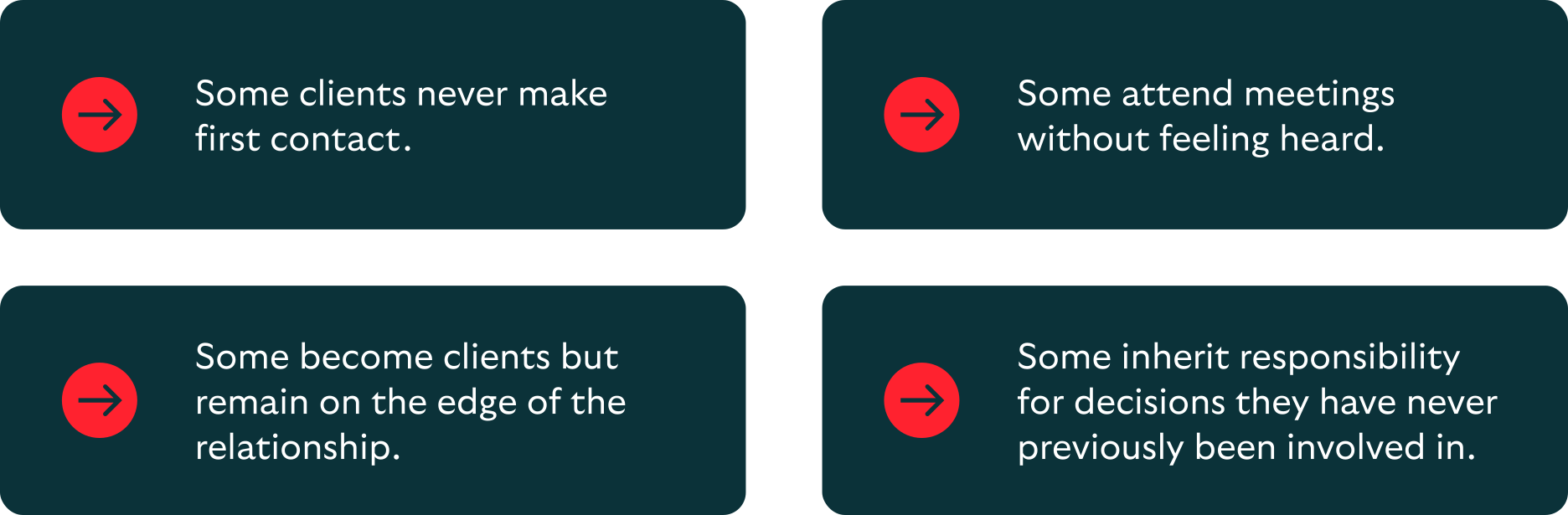
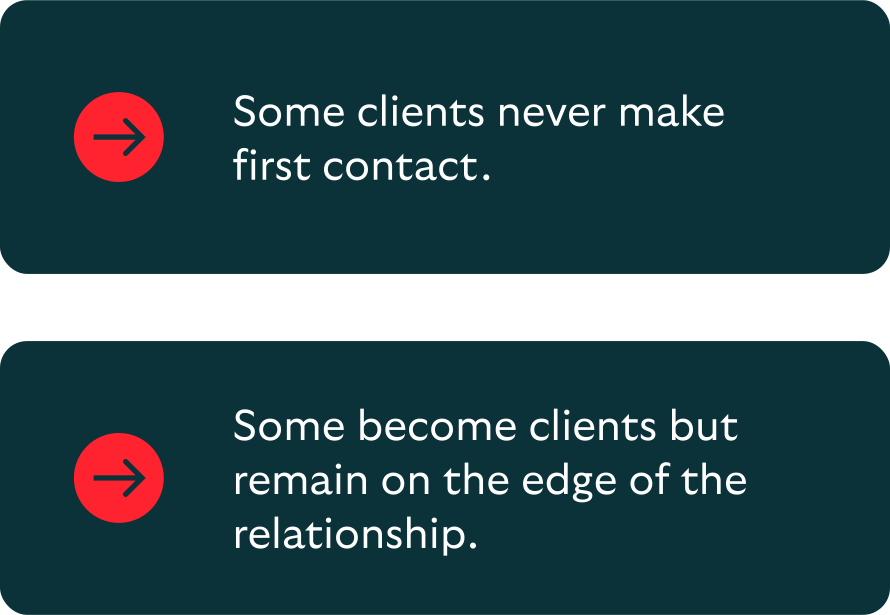

The firms that thrive over the next decade will not simply be those that attract more clients.
They will be those that help more people participate meaningfully in advice.
That is the participation opportunity.
The participation-first advice firm
What this means for advice firms: Scottish Widows’ perspective
The report highlights several potential barriers, including low confidence, financial jargon, established relationship dynamics and limited involvement in earlier conversations. The research suggests that firms that take steps to reduce these barriers can create more opportunities for clients to engage meaningfully in the advice process.
- Creating space for quieter voices. It may be helpful to remain open to different participation preferences, rather than making assumptions based on gender, confidence or who appears to be the primary decision-maker. Some clients may wish to lead discussions, while others may prefer to listen, learn or delegate. Flexible conversations and processes can help everyone contribute in a way that feels comfortable.
- Helping every client feel they belong. Where appropriate, firms could look for opportunities to involve both partners and relevant family members in conversations and decisions, including those who may be less actively engaged. A more inclusive experience can deepen relationships, improve retention and support smoother intergenerational wealth transfer.
- Making advice easier to find, understand and engage with. Firms may wish to review where practical or communication barriers could be reduced across the advice journey. Clear signposting and welcoming, jargon-free conversations can help clients access support, feel heard and contribute with confidence, whatever their financial knowledge or experience.
- Taking time to understand all clients before recommending. Beginning with each client’s goals, family circumstances, aspirations and lived experience can help ensure any recommendations feel relevant and personal. Advice shaped around real lives, life transitions and changing needs may also support trust and stronger long-term relationships.
- Helping families prepare for the future. Firms could consider creating opportunities to involve the next generation in conversations about wealth, legacy and financial planning at an earlier stage. With unused pension funds due to become subject to inheritance tax from April 2027, involving future decision-makers ahead of any transfer may help build trust, continuity and stronger family relationships.
- Supporting sustainable growth through greater participation. More inclusive and engaging advice has the potential to broaden client relationships, extend connections across families and help retain wealth across generations—creating lasting value for clients and adviser firms.

“I think this actually shapes the delivery of advice for all clients; anything we do in the female space naturally lends itself to anyone, because it’s all about empowerment. Men are more confident about finances, but a lot of men aren’t.”
Female adviser, 5-10 adviser firm
“The women’s lens is irrelevant. This is the journey we’re all on, that RDR and Consumer Duty put us on.”
Female adviser, 5-10 adviser firm
Perhaps that’s the biggest finding of all. This report began as research into women and wealth. It became a blueprint for helping more people participate in financial advice in the way that works best for them.
We’re developing further content to help advisers to make advice more accessible, engaging and inclusive – supporting stronger client relationships, sustainable business growth and better outcomes for more families.
Look out for our social posts on Scottish Widows Adviser LinkedIn and check back into Scottish Widows Insight Hub for more content and support.


